How to Buy Land Near Konza City in 2026: The Complete Guide for Kenyan Investors

Why Kenyans Are Racing to Own Land Near Konza Before Prices Change Forever
There is a moment in every generation when a piece of land goes from affordable to out of reach. For Kenyans who bought in Westlands in the 1980s or along Thika Road before the superhighway, that moment passed quickly. Today, the same opportunity sits 60 kilometres southeast of Nairobi, in a corridor that the Kenyan government has staked the country's entire technology future on. That place is Konza Technopolis, and the land surrounding it is still within reach of ordinary Kenyans.
This guide answers every question a serious Kenyan buyer should ask before committing money. It covers what Konza is, why the infrastructure timeline matters, how to buy land legally, how to verify ownership, what documents you need, and what mistakes cost buyers their savings. Read it fully before you sign anything.
What Is Konza Technopolis and Why Does It Matter
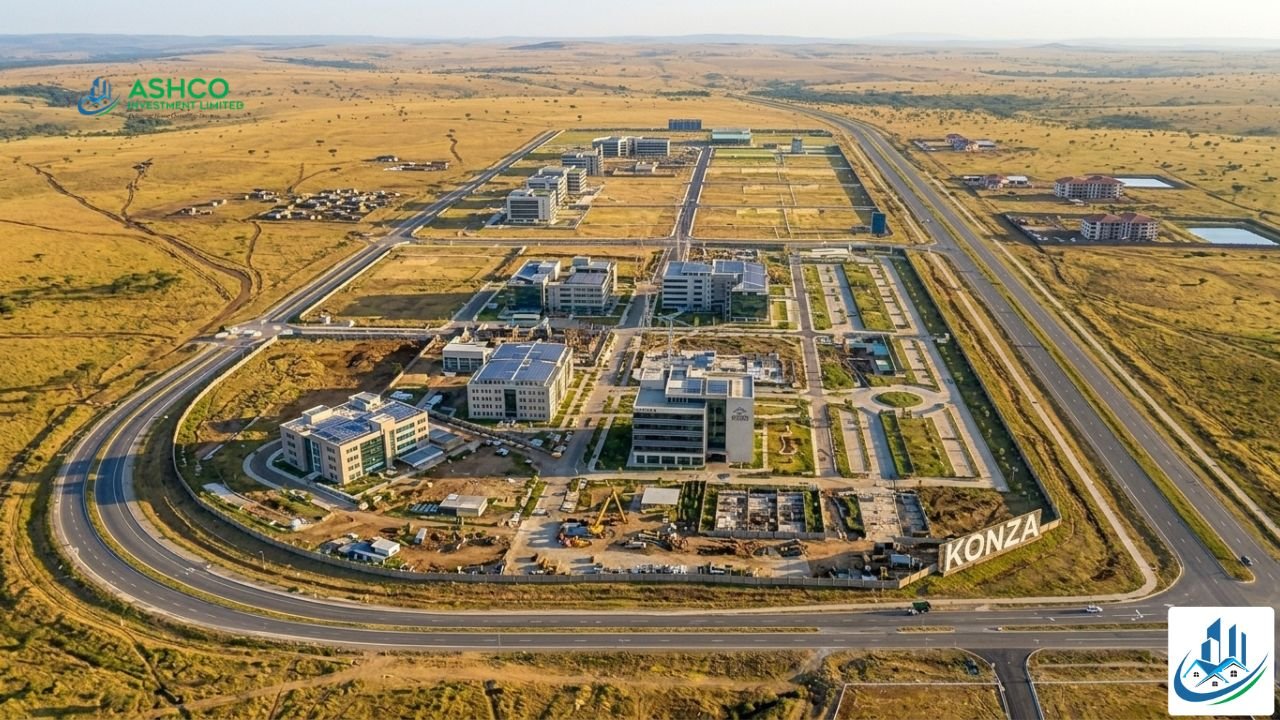
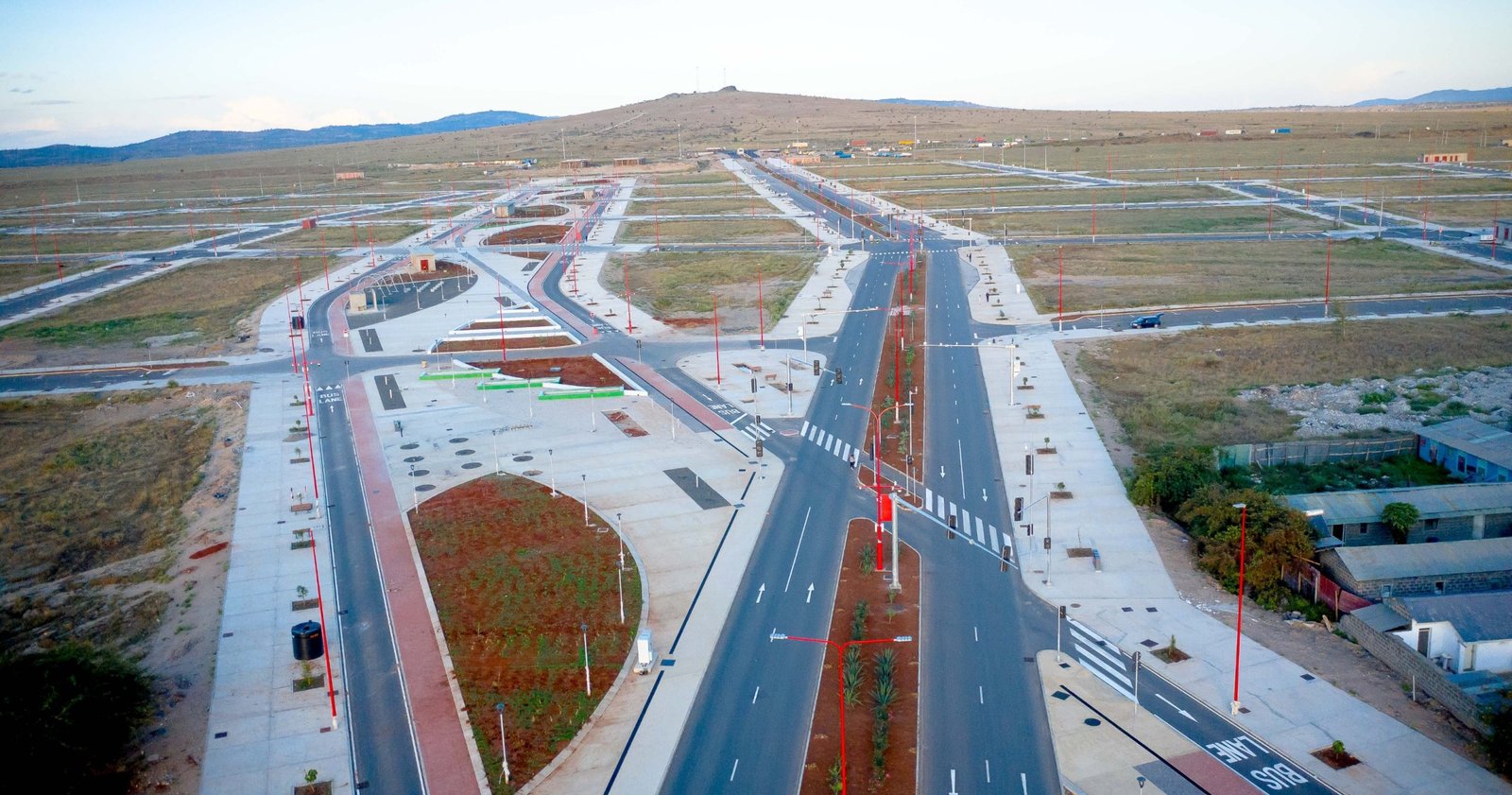
Konza Technopolis is a planned smart city being developed on 5,000 acres of land in Machakos County, approximately 60 kilometres from Nairobi along the Nairobi to Mombasa highway. The Kenyan government gazette it as a Special Economic Zone and designated it as the centrepiece of Kenya Vision 2030, the long-range blueprint to transform Kenya into a middle-income country.
The city is designed to house technology companies, universities, research institutions, data centres, hospitals, hotels and residential developments. Phase 1 of infrastructure, which includes roads, water, electricity, fibre-optic connectivity and a commercial core, is already underway. A railway station connecting Konza to the Standard Gauge Railway network has been part of the master plan since inception.
For investors, the critical question is not whether Konza will succeed. The question is where you will be standing when it does. Kenyan history shows clearly what happens to land prices when government infrastructure arrives. The Thika Superhighway, the SGR corridor, the Nairobi Expressway and the expansion of Mombasa port all produced the same result. Land values near major infrastructure multiply as construction progresses and accelerate sharply once operations begin.
What Land Near Konza Looks Like Today
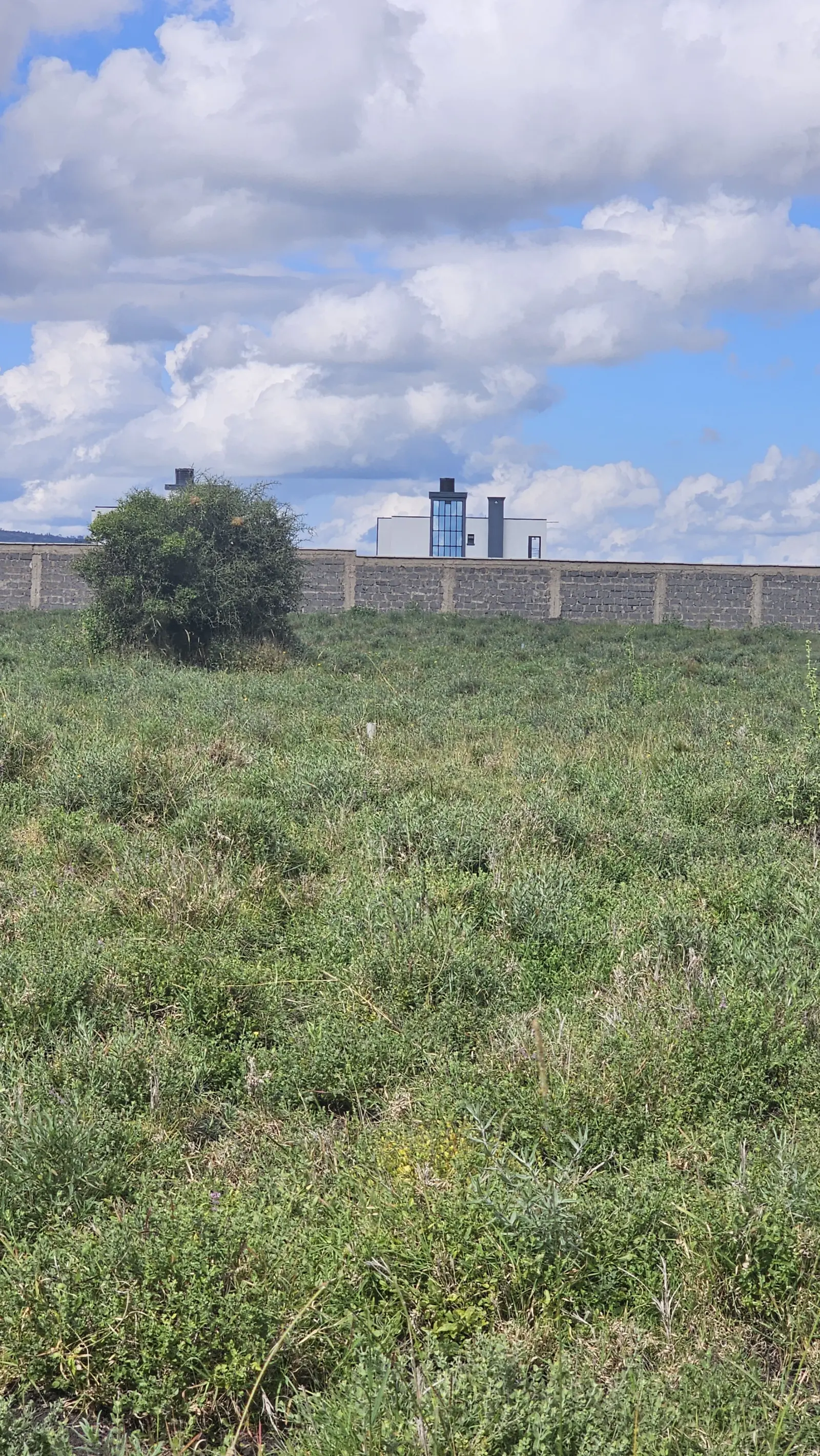
Land in the Konza corridor currently sits at prices that would be unrecognisable to buyers five years from now if infrastructure timelines hold. Quarter-acre and half-acre residential plots are being sold at prices accessible to salaried Kenyans, teachers, nurses, engineers and small business owners, not only to developers with large capital. This accessibility will not last indefinitely.

How to Buy Land in Kenya Legally and Safely
Buying land in Kenya requires following a clear legal process. Skipping any step exposes you to fraud, double sales, family disputes or government land complications. These are the steps every buyer should follow.

Step One: Identify the Land and Confirm the Seller
Before any money changes hands, establish who is legally selling the land. In Kenya, land is governed by the Land Registration Act 2012, the Land Act 2012 and the National Land Commission Act. The registered owner is the only person with legal authority to sell. Confirm the full names on the title match the person or company you are dealing with. If a company is selling, verify the company registration at the Business Registration Service portal.
Step Two: Conduct an Official Land Search
A land search is conducted at the Land Registry office in the county where the land is located. For land near Konza, the relevant registry is the Machakos Land Registry. The search costs a few hundred shillings and produces an official document that shows the registered owner, any charges or encumbrances on the land, whether the land is under a caveat, and whether any legal dispute has been registered against it.
Never skip the search. Sellers who resist a buyer conducting a search are not sellers you should continue dealing with.
Step Three: Physical Verification and Survey
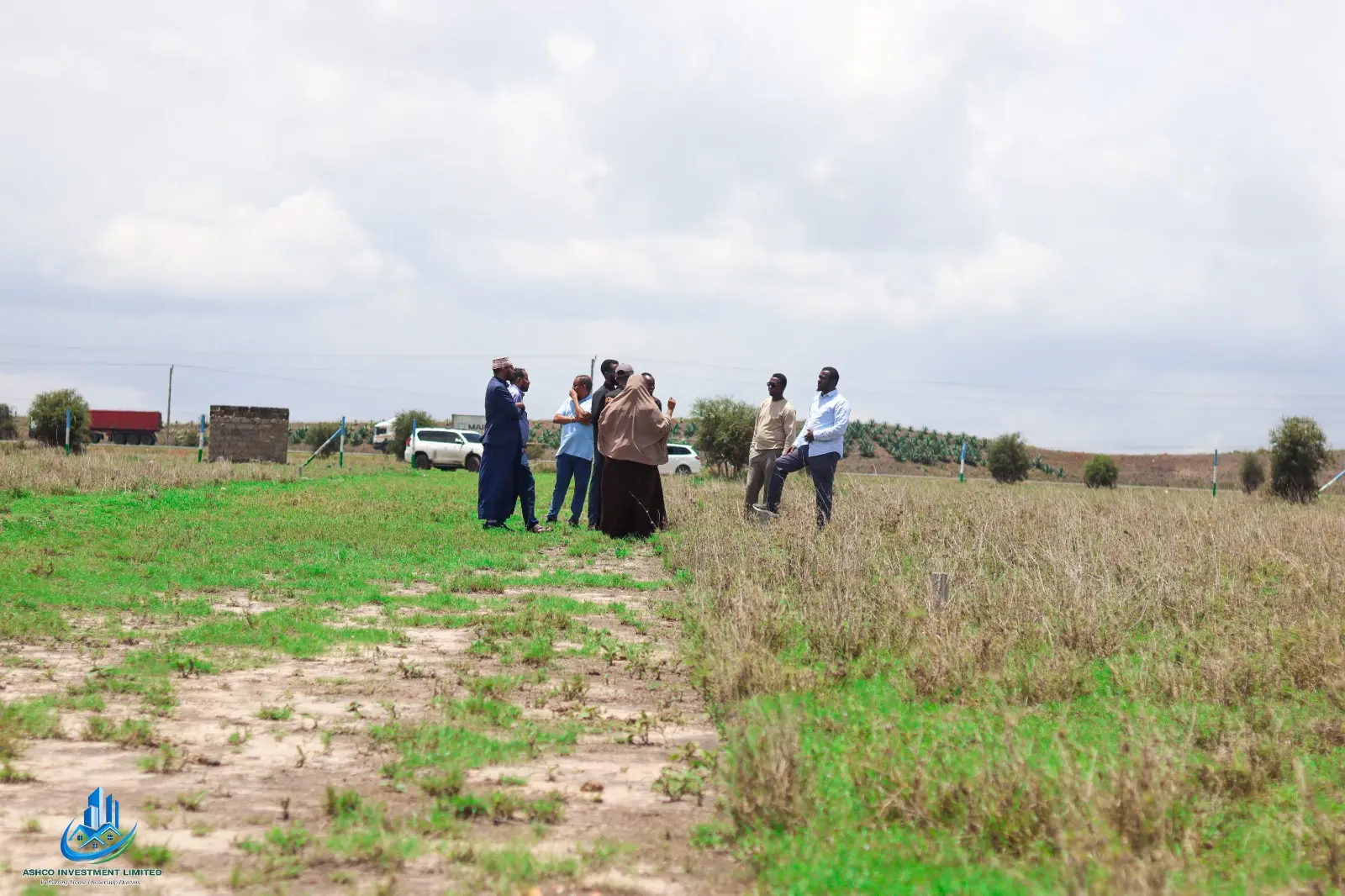
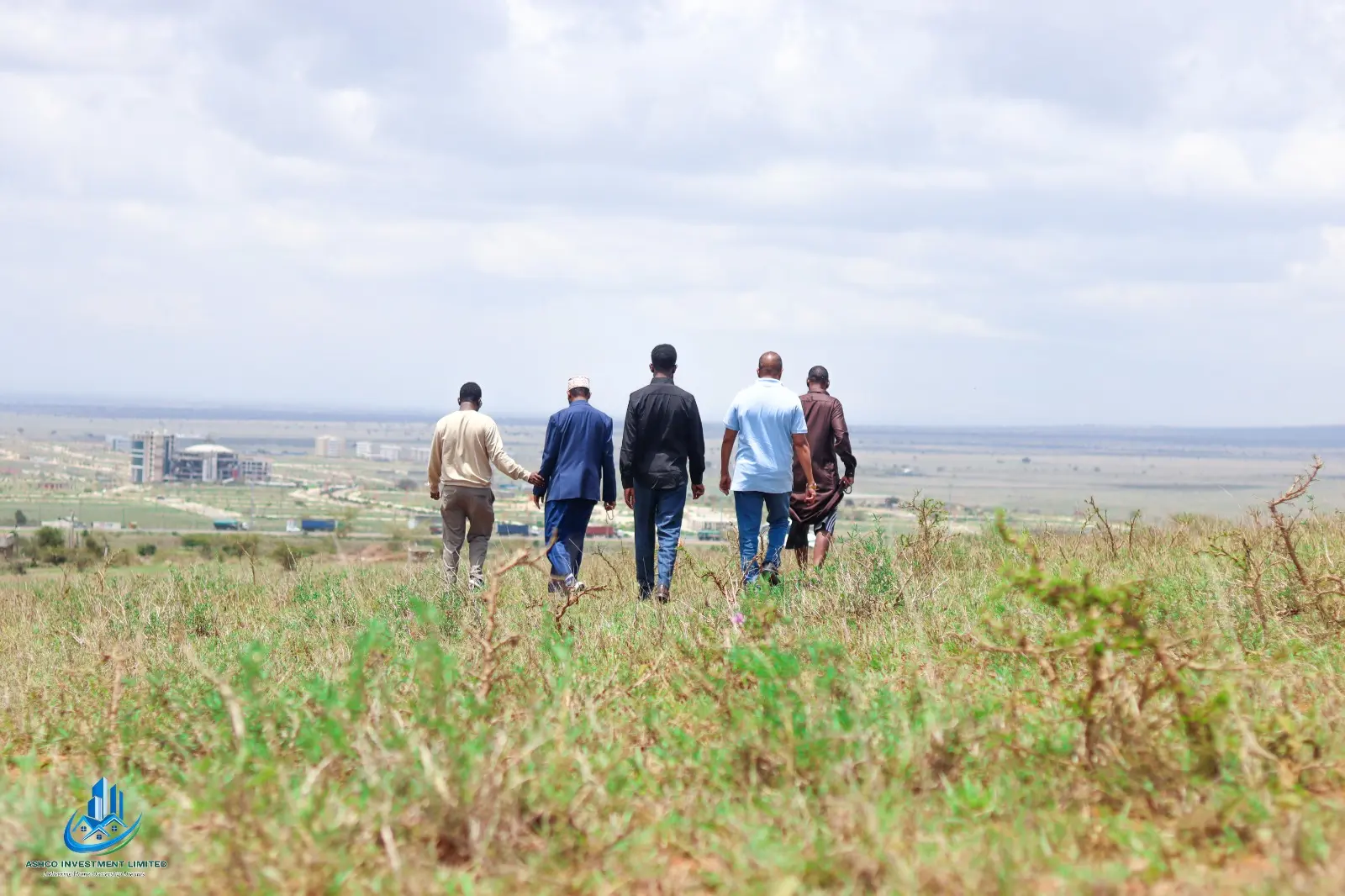
Visit the land in person. Confirm that the beacons are in place and intact. Beacons are the concrete markers that physically define the boundaries of a plot. If beacons are missing or disputed by neighbours, engage a licensed surveyor before proceeding. Survey maps are obtained from the Survey of Kenya offices or from a licensed private surveyor who can verify the plot against the cadastral records.
Step Four: Engage a Lawyer
Hire an independent advocate who represents only you, not the seller. The lawyer will review the title deed for authenticity, confirm no historical disputes exist, prepare or review the sale agreement, conduct due diligence on any development restrictions, handle stamp duty payment and facilitate the transfer of title into your name. The cost of a conveyancing lawyer is small compared to the cost of buying land with a defective title.
Step Five: Sign the Sale Agreement
The sale agreement is a legally binding contract that sets out the purchase price, payment terms, completion date and consequences of default by either party. Read it fully. Have your lawyer explain every clause. Do not sign under pressure of artificial deadlines.
Step Six: Pay Stamp Duty and Transfer the Title
Stamp duty in Kenya is currently 4 percent of the purchase price for land outside a municipality and 2 percent for agricultural land. Your lawyer will facilitate payment through the Kenya Revenue Authority. Once stamp duty is paid and the transfer documents are lodged at the land registry, the title is issued in your name. This is when you become the legal owner.
How to Verify Land Ownership in Kenya
Land fraud is one of the most serious financial crimes affecting Kenyan buyers. Fraudsters create fake title deeds, sell land they do not own, or sell the same plot to multiple buyers. Protecting yourself requires active verification, not trust alone.
The primary verification tool is the official land search at the county land registry. This is a government record that cannot be falsified without internal collusion. Alongside the search, verify the title deed at the Survey of Kenya to confirm the parcel number corresponds to the physical location you visited. For newer titles, the National Land Information Management System, known as NLIMS, is being rolled out to enable online parcel searches.
Check whether the seller's identification document matches the registered owner's name exactly. Any variation, even a middle name spelling difference, should be resolved before you proceed. If the land is inherited or was transferred recently, ask for the succession cause number or the transfer history to understand how ownership arrived at its current point.
What Documents You Need When Buying Land in Kenya
As a buyer, you will need your Kenya national identification card or passport, your KRA PIN certificate, and your recent passport photographs. The seller must provide the original title deed, their national identification document, their KRA PIN, a land rates clearance certificate from the county government confirming no outstanding rates are owed, and, where applicable, consent from the Land Control Board.
The Land Control Board consent is required for transactions involving agricultural land. It is a panel of local officials that meets regularly to approve land transactions. Your lawyer will advise whether your specific transaction requires this consent based on the land classification.
Can You Buy Land in Kenya Through Installments
Yes. Many developers and landowners offer structured payment plans, particularly for plots in developing corridors like Konza. Installment arrangements allow buyers to reserve a specific plot, lock in today's price and pay over an agreed period, typically 12 to 36 months, before the title is transferred upon completion of payment.
When buying through installments, ensure the sale agreement clearly specifies the total price, the installment schedule, the consequences of missed payments, and the exact date by which the title will be transferred. Engage your lawyer even for installment purchases. The agreement is a binding contract from the moment it is signed.
Common Mistakes That Cost Kenyan Land Buyers Their Money
Buying without conducting a land search is the single most expensive mistake. Many buyers discover after payment that the land they bought is already charged to a bank, is subject to a court injunction, or was previously sold to another party.
Trusting verbal promises is another. If a seller promises to include a road, a fence, a water connection or a particular boundary adjustment, it must be written into the sale agreement. Verbal promises have no legal standing.
Paying cash without a receipt is a third. Every payment, including deposits, should be made through a traceable method such as a bank transfer or mobile money, and every transaction should be accompanied by a receipt on letterhead signed by the seller or their authorised representative.
Buying from an agent without verifying their mandate is also common. Confirm in writing that the agent is authorised by the landowner to sell, and request a copy of the agency agreement. Agents who vanish with deposits are almost always agents whose authority was never formally established.
Frequently Asked Questions About Land in Kenya
Is it safe to buy land near Konza City
Buying near Konza is safe when you follow the legal process. Conduct an official search, verify the physical beacons, engage an independent lawyer and confirm you are dealing with the registered owner. The corridor around Konza has attracted legitimate developers and individual sellers, but as with any high-interest area, it also attracts fraudulent operators. Due diligence is non-negotiable.
How long does it take to transfer a title deed in Kenya
A straightforward land transfer at the registry currently takes between 60 and 90 days from the date of lodgement, though timelines vary by county and registry backlog. Your lawyer can track progress. Reforms under the NLIMS system are intended to shorten this timeline significantly over the coming years.
What is the minimum plot size allowed in Kenya
Minimum plot sizes vary by county and land use designation. In rural and peri-urban areas such as the Konza corridor, plots from an eighth of an acre to quarter-acre are common for residential purposes. Agricultural land may have different minimum subdivision requirements set by the county spatial plan. Confirm the zoning classification before purchase.
Can Kenyans in the diaspora buy land in Kenya
Yes. Kenyan citizens residing abroad can legally purchase land in Kenya. They will need a valid Kenyan passport or national ID, a KRA PIN, which can be obtained online through the iTax portal, and a power of attorney if they cannot be physically present for signing. The power of attorney must be notarised and apostilled in the country of residence before it is recognised by Kenyan courts and registries.
What is the difference between freehold and leasehold land in Kenya
Freehold land means you own it outright with no time limit on your ownership, subject only to lawful use and payment of land rates. Leasehold means you hold the land for a defined period, typically 99 years, after which the lease must be renewed with the government. Most land sold by private developers in Kenya is freehold. Government land allocations in urban areas and coastal areas are often leasehold. Always confirm the tenure type before purchase, as it affects both your rights and the resale value of the land.
Will land near Konza City appreciate in value
No investment carries a guarantee, but the fundamentals surrounding Konza are among the strongest seen in Kenya in decades. A committed government development programme, Special Economic Zone status, multinational interest, proximity to Nairobi and the SGR line all create conditions that have historically preceded significant land price increases in similar corridors globally and within Kenya. Investors who bought near Tatu City before it was operational or in Athi River before the Eastern Bypass completion saw substantial appreciation. Konza represents a similar inflection point.
How much does land near Konza cost in 2025
Prices in the Konza corridor vary by proximity to the Technopolis boundary, plot size and seller. Quarter-acre residential plots in the wider corridor are available from developers at prices accessible to middle-income earners on flexible payment plans. Prices closer to the Technopolis boundary command a premium. The best way to get accurate current pricing is to speak directly with a registered developer operating in the area.
Why Now Is the Right Time to Invest
The investors who build wealth from real estate are rarely the ones who wait for certainty. By the time a development is complete, the roads are paved, the companies are operating and the headlines are positive, the affordable entry window has already closed. The buyers who benefit most are those who read the infrastructure signals, conduct proper due diligence and act while the market is still in its appreciation phase rather than after it has peaked.
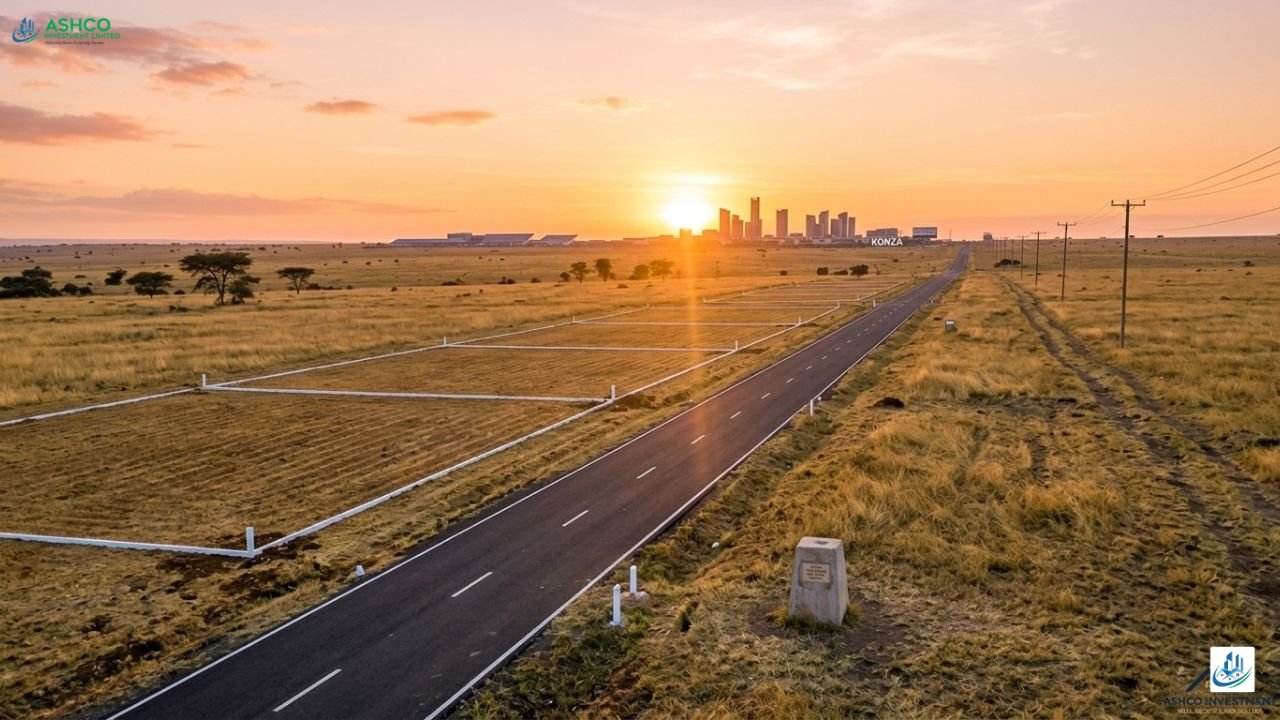
If you are serious about securing a plot in the Konza corridor with legal title and a structured payment plan, speak with the Ashco Investment team. We operate with full documentation, registered title deeds and a transparent process from reservation to title transfer.
Free Consultation
Interested in a plot near Konza?
Leave your details and our team will call you within 24 hours with available plots and prices. No obligation.