The SGR Effect: How Kenya's Standard Gauge Railway Is Transforming Land Prices Along Its Route
A
Abdihakin Elmi
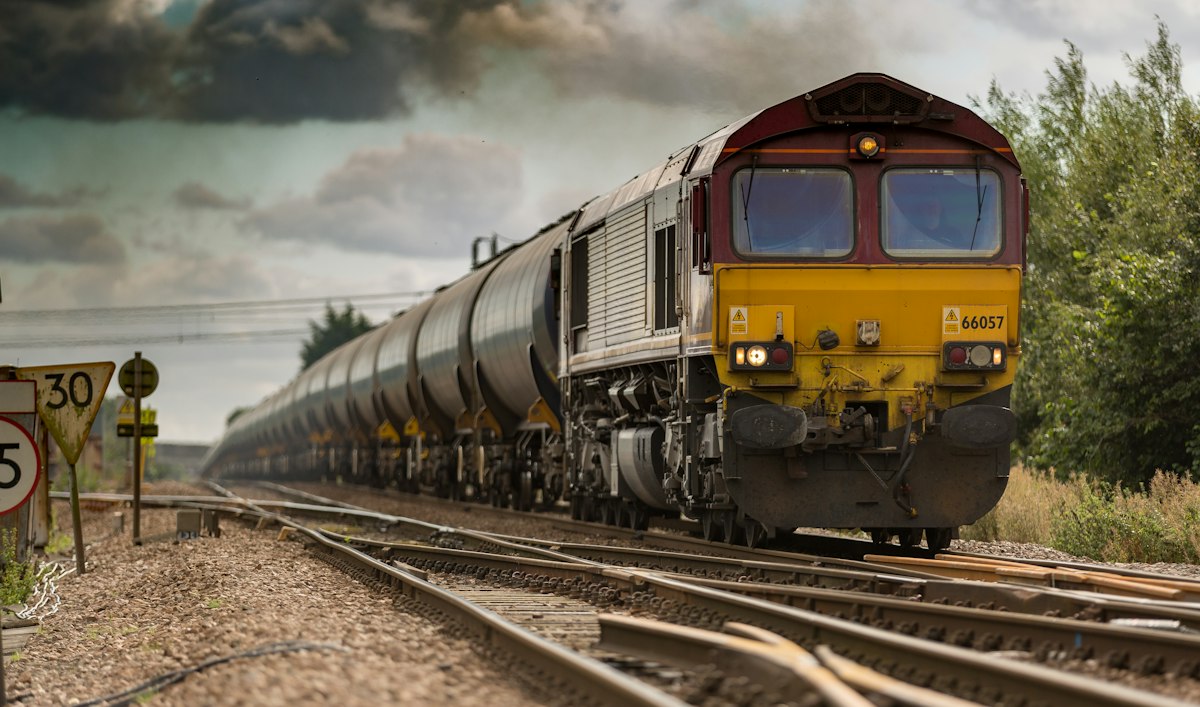
When the Standard Gauge Railway launched its Nairobi–Mombasa passenger service in 2017, many Kenyans celebrated it as an infrastructure milestone. What fewer people noticed was the quiet but powerful effect it was already having on land values along its 472-kilometre route. In 2026, the SGR effect is no longer subtle — it is one of the most significant drivers of land price appreciation in Kenya.
## What Is the SGR Effect?
The SGR effect refers to the pattern of land price appreciation that occurs when a major transit infrastructure project is built near a given location. It is not unique to Kenya — the same phenomenon played out along Japan's Shinkansen route in the 1960s, along London's Crossrail corridor in the 2010s, and along the Beijing–Shanghai high-speed rail in China.
The mechanism is straightforward:
1. A fast transit link **compresses travel time** between two points
2. Reduced travel time **expands the effective catchment area** of a city
3. Land that was previously "too far away" becomes commutable — and therefore desirable
4. Demand increases faster than supply
5. **Prices rise**
Along the Nairobi–Mombasa SGR, this pattern has been most visible around three key station areas: Syokimau/JKIA, Athi River/Mlolongo, and Konza Technopolis.
---
## How Much Have Prices Risen Near SGR Stations?
Let us look at each major station zone with verifiable data.
### Syokimau / JKIA Station
**Before SGR (2015):** KES 3M – 5M per eighth acre (residential plots)
**2026 estimate:** KES 8M – 15M per eighth acre
The Syokimau area was already growing before the SGR, but the station catalysed an explosion in apartment construction. The ability to board a train directly to JKIA has made this corridor attractive for airport workers, airline staff, and frequent travellers. Prices have tripled in ten years.
### Athi River / Mlolongo Station
**Before SGR (2015):** KES 500,000 – KES 1.5M per eighth acre
**2026 estimate:** KES 1.5M – KES 4M per eighth acre
Athi River's industrial character has been softened by new residential estates. The combination of the EPZ (Export Processing Zone), affordable prices relative to Nairobi, and SGR connectivity has drawn a growing middle-class population. Prices have roughly tripled.
### Konza Station
**Before SGR (2019):** KES 80,000 – KES 150,000 per eighth acre
**2026 estimate:** KES 250,000 – KES 700,000 per eighth acre (depending on proximity and title status)
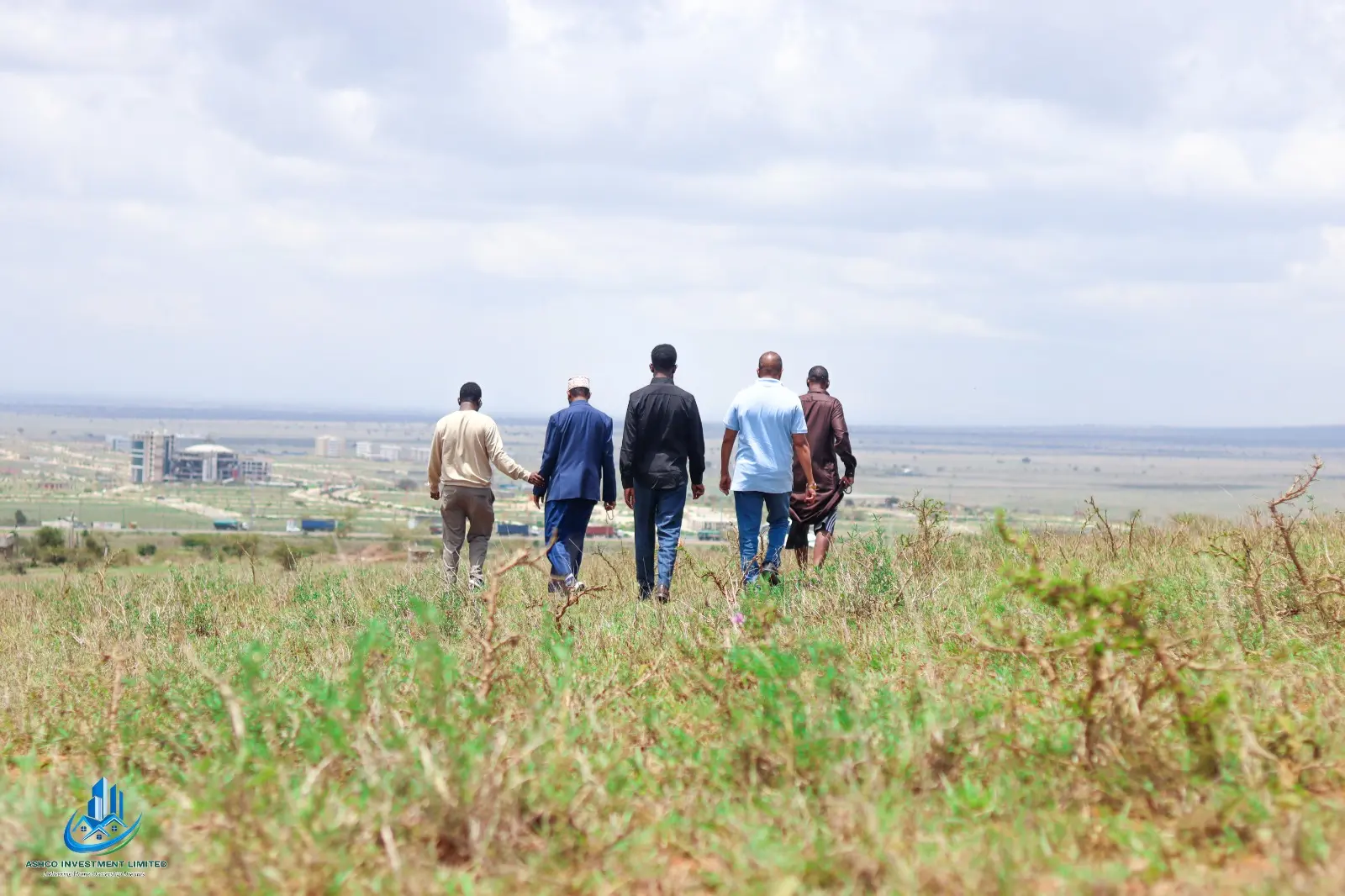
Konza is the most dramatic example of the SGR effect compounding with another mega-project. The presence of both the SGR station **and** Konza Technopolis Phase 1 construction has created a double catalyst. Land that traded below KES 100,000 per eighth acre just five years ago is now five to seven times more expensive — and still growing.
---
## Why Konza Is the Biggest SGR Opportunity Remaining
Most of the easy gains along the Syokimau and Athi River stretch have already been captured. The land is largely subdivided, titling has been done, and prices reflect the infrastructure that already exists.
Konza is different because the infrastructure is still being built. This is the stage where land prices are highest in potential and lowest in current price. The risk-reward ratio is still compelling.
Here is why Konza is the largest remaining SGR opportunity:
### 1. A Planned City, Not an Organic Settlement
Most urban areas in Kenya grew organically around trade routes, water sources, or colonial administrative centres. Konza Technopolis is a purpose-built city — planned from a master plan with dedicated zones for ICT, university campuses, government offices, light industry, and residential living. That planning prevents the chaotic sprawl that reduces property values in many Kenyan towns.
### 2. The SGR Station Is Already Operating
Unlike some infrastructure projects that are perpetually "coming soon," the Konza SGR station is operational. Freight and passenger services stop here. The station building is complete. The surrounding area is already seeing construction activity.
### 3. International Universities Are Committed
Korea Advanced Institute of Science and Technology (KAIST) has signed agreements for a Konza campus. Strathmore University's Konza campus is in development. A city with a large university population always generates rental demand — student housing, faculty residences, and service-sector employment all drive property absorption.
### 4. Government Anchor Tenants Are Moving In
Several government agencies — including units of the ICT Ministry — have already relocated to Konza. Government departments are stable, long-term tenants that anchor a local economy and bring supporting commercial activity.
### 5. Irish Village Is Under Construction Adjacent to Konza
One of the most telling signals of investor confidence is the Irish Village project — a mixed residential and commercial development contracted adjacent to Konza City. When institutional developers start building, the speculative phase is transitioning to operational reality.
---
## How to Calculate SGR Proximity for a Plot
Not all land near the SGR route benefits equally. The key variable is **distance to the nearest station**, not distance to the rail line itself.
A plot 200 metres from the rail tracks but 15 km from the nearest station will see almost no benefit from the SGR. A plot 5 km from the Konza station with tarmac road access is a fundamentally different investment.
**Practical distance guide for Konza Station:**
- **0 – 3 km:** Phase 1/2 adjacent zone — highest appreciation, highest current price
- **3 – 8 km:** Phase 2 corridor — strong appreciation, moderate entry price
- **8 – 20 km:** Phase 3 outer zone — speculative long-term hold, low entry price
- **20 km+:** Limited SGR benefit unless other catalysts exist
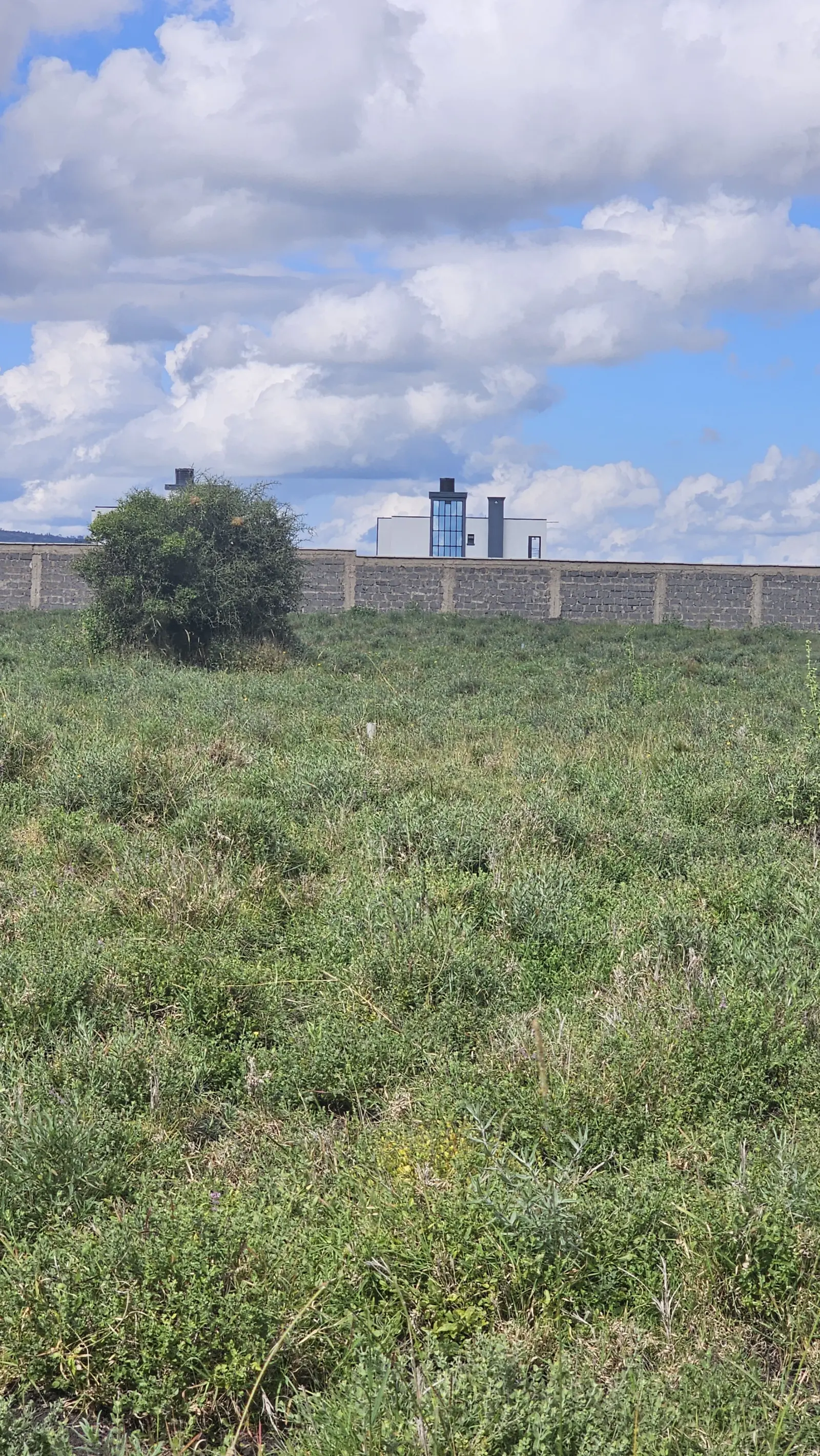
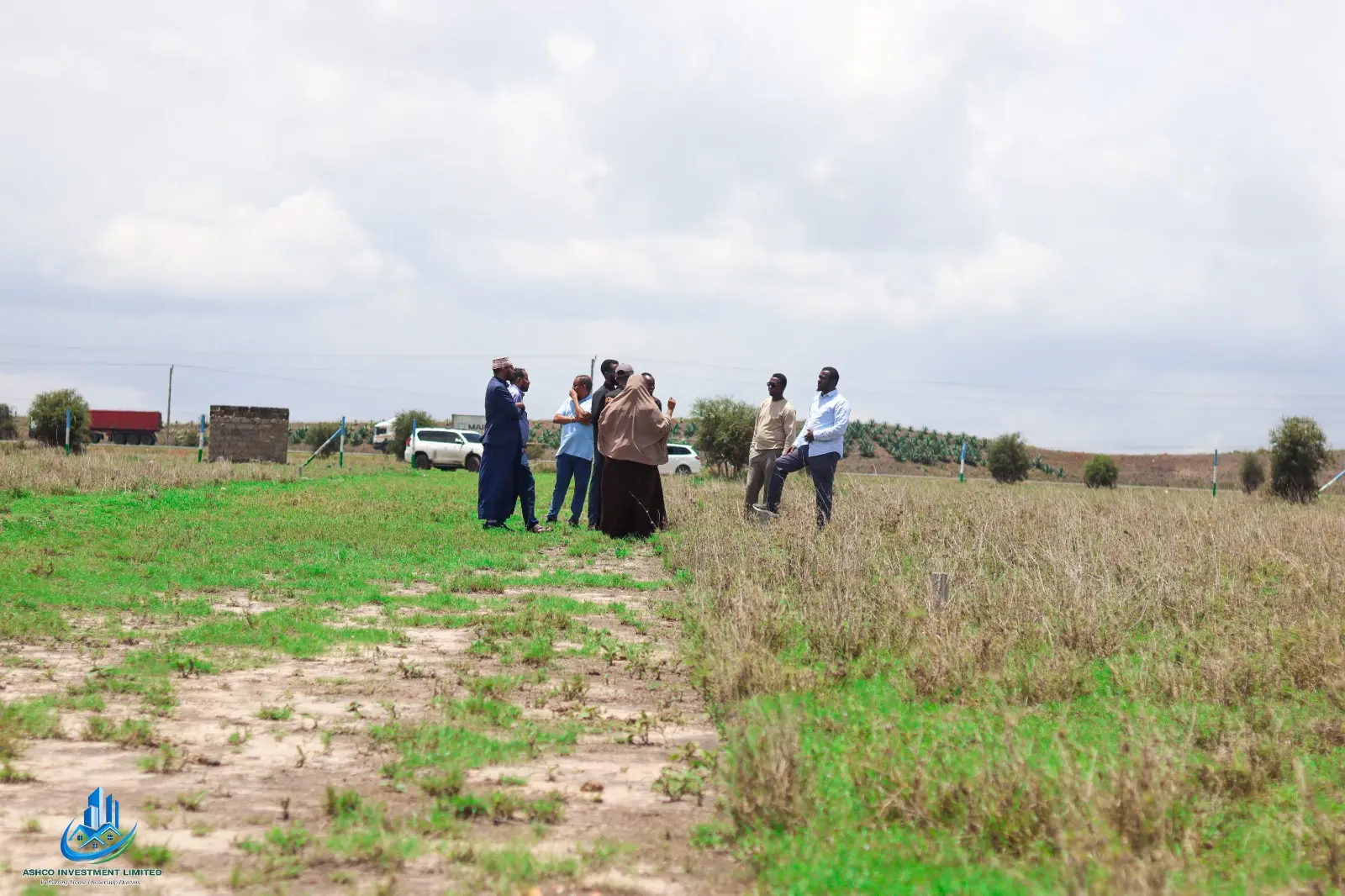
Most of Ashco Investment's Konza corridor properties sit in the 3–8 km zone, at price points still below KES 700,000 per eighth acre.
---
## What History Tells Us About Rail Corridors and Land
Every major rail corridor in modern history has followed the same pattern. Looking at other markets:
**Japan (Shinkansen, 1964–present):** Cities connected by the bullet train saw residential land values rise 40–80% within a decade of service launch. Cities not connected stagnated.
**China (High-Speed Rail, 2008–present):** A 2020 study by the World Bank found that land within 5 km of a new HSR station appreciated at 2–3 times the rate of comparable land 20 km away, consistently across multiple cities.
**Nairobi Commuter Rail (Embakasi–Syokimau, 2012):** The commuter rail extension to Syokimau triggered a wave of development that is still ongoing 13 years later.
**The common thread:** Early investors — those who bought land **before** the infrastructure was complete — captured the largest gains. By the time a station is fully operational, the first wave of appreciation has already happened.
---
## Risks to Consider
No investment is risk-free. For SGR corridor land, the specific risks include:
**Project delays:** Konza Phase 2 and 3 infrastructure timelines could shift. The core SGR is already running, but university completion and government office occupation have been slower than original forecasts.
**Title deed status:** Some land near Konza is still under community land or trust land administration, which makes titling more complex. Always confirm that the plot you buy has a surveyed and registered title.
**Resale market depth:** The Konza corridor is still relatively illiquid compared to Nairobi suburbs. You may need to wait 3–5 years to find a willing buyer at a significant premium.
**Infrastructure quality:** Not all roads in the corridor are tarmac. A plot 7 km from the station down a murram road has significantly less demand than one with tarmac access.
---
## The Verdict: Is SGR Land Still Worth Buying?
Yes — but with discipline. The Syokimau and Athi River windows have largely closed for affordable entry. Konza remains the most compelling active opportunity, particularly in the 3–10 km radius around the station.
The keys to getting it right:
- **Buy land with a clear, registered title** (freehold or government leasehold — not allotment letters)
- **Choose plots with tarmac or near-tarmac access**
- **Set a realistic 5–10 year horizon** — this is infrastructure appreciation, not a quick flip
- **Buy from a registered developer** with a track record of title delivery
The SGR did not create a speculative bubble along its route. It created real economic activity: universities, government offices, logistics hubs, and residential demand. The land values reflect that reality — and the Konza chapter is still in its early stages.
---
*Ashco Investment Limited offers SGR-adjacent plots in the Konza corridor from KES 250,000 on flexible installment plans. All properties carry surveyed titles with clear boundary documentation. [Explore available plots](/properties) or [book a free site visit](/contact).*
Free Consultation
Interested in a plot near Konza?
Leave your details and our team will call you within 24 hours with available plots and prices. No obligation.